
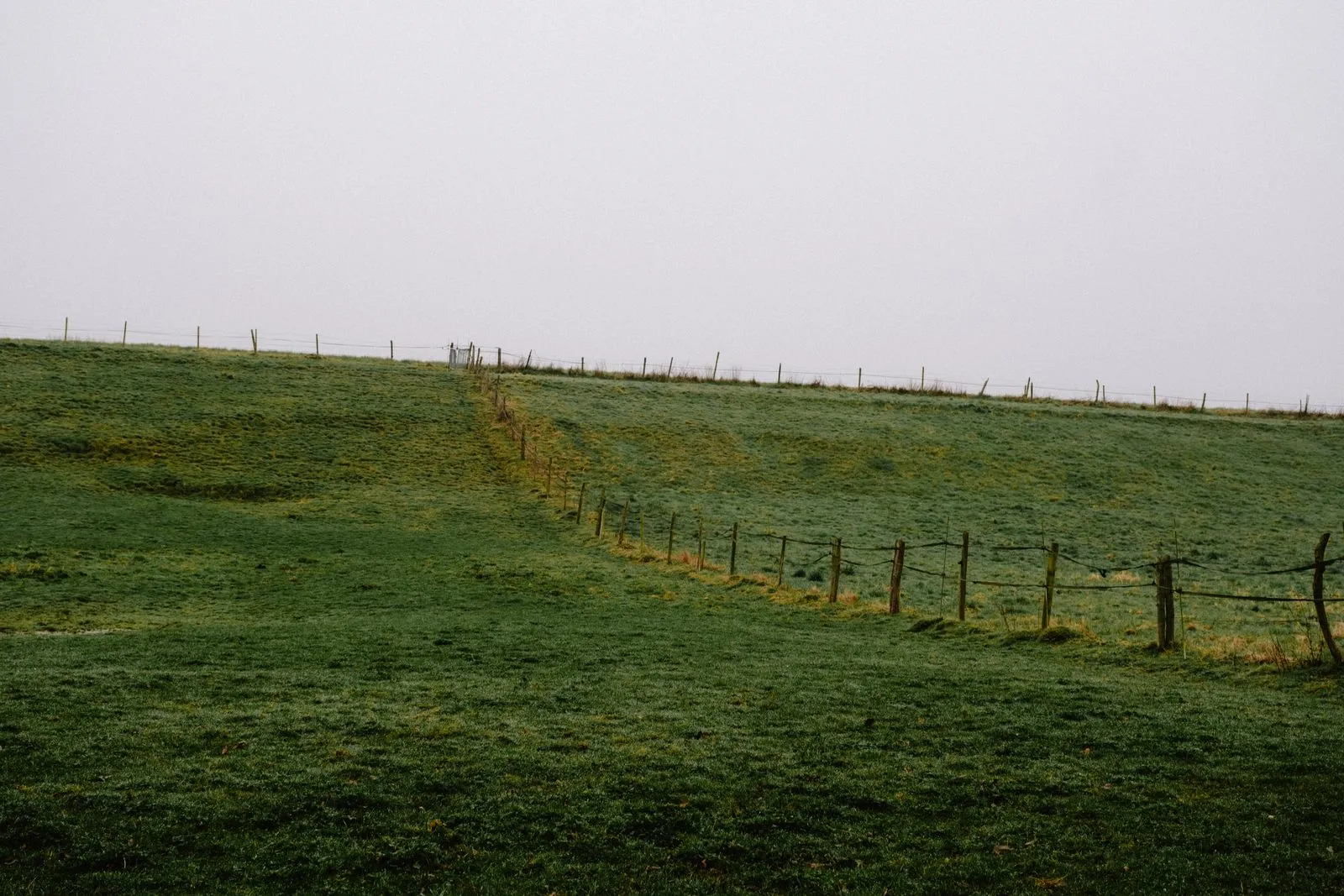
The right farm fence keeps animals where they belong, marks property lines, and helps protect gardens, crops, or equipment. The best choice depends on what you need the fence to do—not just its material. Before buying supplies, consider the animals you keep, the shape and soil of your land, how much upkeep you can manage, and whether the fence needs to contain, exclude, or divide. These factors will help narrow your options and avoid costly changes later.
Start With the Job
List each purpose before choosing a fence: containing livestock, dividing pastures, keeping wildlife out, protecting a garden, or marking a boundary. One fence may not suit every task. A sturdy perimeter fence often needs different materials and spacing than a temporary paddock divider. Planning by use also helps you decide where gates belong and which sections need stronger construction.
Match the design to the animals. Cattle generally need a visible, durable barrier; sheep and goats may test openings or push against weak spots; poultry need close mesh and protection from digging predators. Consider animal size, behavior, and the possibility of young animals slipping through. Check local requirements and relevant animal-care guidance before settling on height, spacing, or energizer settings.
Compare Common Materials
Woven wire has closely spaced openings and can work well for sheep, goats, poultry yards, and other uses where smaller animals might pass through wider gaps. It can be paired with a top or offset electric wire to discourage climbing or leaning. Inspect mesh height, wire gauge, and opening size for your animals, and plan for sturdy posts and properly tensioned runs.
Barbed wire is often used for cattle boundaries, but it can injure animals and may not suit horses or areas with frequent human or wildlife contact. Smooth high-tensile wire can cover long distances with relatively few materials, but it requires careful tensioning and strong end assemblies. Electric fencing can make a flexible, visible barrier for temporary divisions or permanent setups; it depends on a suitable energizer, grounding, and regular checks.
Wood rails and boards provide a visible, solid barrier and can suit horse paddocks, entrances, or areas where appearance matters. They need sound posts, secure fasteners, and periodic repair or treatment depending on the wood and conditions. Vinyl can reduce painting and resist rot, but damaged sections may need replacement and the upfront material choice may not fit every budget. Compare the whole system, including posts, gates, hardware, and installation.
Account for Terrain and Upkeep
Walk the proposed fence line and note slopes, wet ground, rocky areas, tree roots, and existing access routes. Uneven terrain can leave gaps beneath a fence or make consistent wire tension difficult. A stepped layout may work on some slopes, while a contour-following layout can suit others. Plan for drainage and avoid placing posts where runoff or seasonal flooding could loosen them.
Maintenance varies by material and site. Check wire tension, connections, insulators, and energizer operation as appropriate; look for loose boards, leaning posts, corrosion, and animal-created gaps. Vegetation can short electric fencing, while snow, fallen branches, and wet soil can affect performance. Choose a design you can inspect and repair with the tools, time, and access you have.
Plan Gates and Installation
Place gates where you will actually move animals, vehicles, feed, or equipment. Make openings wide enough for the largest equipment that needs access, and avoid locating gates where mud or steep slopes will make daily use difficult. Use secure latches and consider how a gate will function when animals gather nearby. Draw the layout, including corners, bracing, and crossings, before ordering materials.
For a permanent fence, strong corners and end assemblies matter because they carry wire tension. Confirm post spacing and installation details for the chosen material and soil conditions. Before digging, identify underground utilities and check municipal, property-line, and livestock-related requirements that apply to your site. If you are uncertain about layout or energizer setup, consult an experienced installer or local agricultural resource.
Choose fencing by working backward from the animals and the job, then check how your terrain and maintenance capacity affect each option. A simple site plan can reveal where you need permanent barriers, flexible divisions, or stronger gates. Compare complete systems—not just rolls of wire—and ask Field & Forge for help selecting compatible farm fencing supplies.